


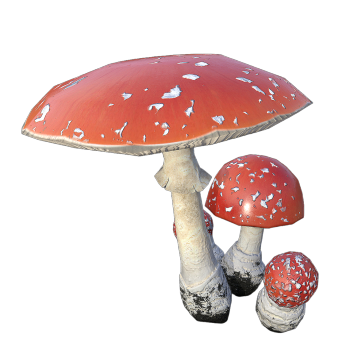
Poison fly umbrella at different growth stages
Amanita muscaria, also known as fly agaric or fly amanita, is a neurotoxic fungus in the Basidiomycota phylum, classified as a species of the Amanita genus in the Amanita family. The growth environment of the poisonous fly umbrella covers temperate and polar regions in the northern hemisphere, and has unintentionally expanded to the southern hemisphere, coexisting with pine trees and other plants in pine forests. It has now become a global species. The poisonous fly umbrella forms mycorrhizae with deciduous plants and fruit bearing plants.

Poison fly umbrella
Amanita muscaria, also known as fly agaric or fly Amanita, is a fungus of the Basidiomycota phylum and one of the Amanita genera that contains neurotoxic effects. The fruiting body of the fungus is relatively large. The cap width is 6-20cm. The edges have obvious short ridges, the surface is bright red or orange red, and there are white or slightly yellowish granular scales. The gills are pure white, dense, free, and of unequal length. The mushroom meat is white and red near the epidermis.

Poison fly umbrella
Amanita muscaria, also known as fly agaric or fly Amanita, is a fungus of the Basidiomycota phylum and one of the Amanita genera that contains neurotoxic effects. The fruiting body of the fungus is relatively large. The cap width is 6-20cm. The edges have obvious short ridges, the surface is bright red or orange red, and there are white or slightly yellowish granular scales. The gills are pure white, dense, free, and of unequal length. The mushroom meat is white and red near the epidermis.

Poison fly umbrella
Amanita muscaria, also known as fly agaric or fly amanita, is a neurotoxic fungus in the Basidiomycota phylum, classified as a species of the Amanita genus in the Amanita family. The growth environment of the poisonous fly umbrella covers temperate and polar regions in the northern hemisphere, and has unintentionally expanded to the southern hemisphere, coexisting with pine trees and other plants in pine forests. It has now become a global species. The poisonous fly umbrella forms mycorrhizae with deciduous plants and fruit bearing plants.

Popular Models
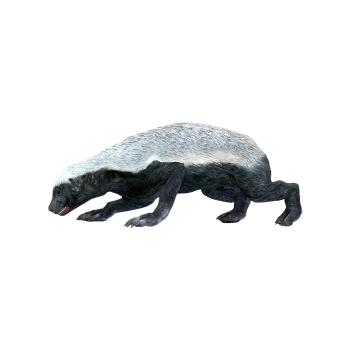
Honey Badger (3D animated model)
192 View
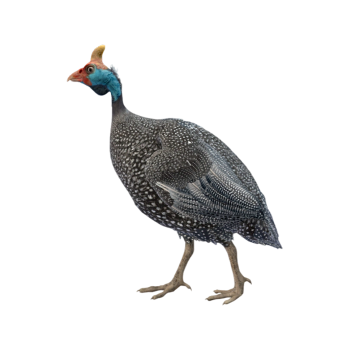
Guinea fowl (3D animated model)
163 View
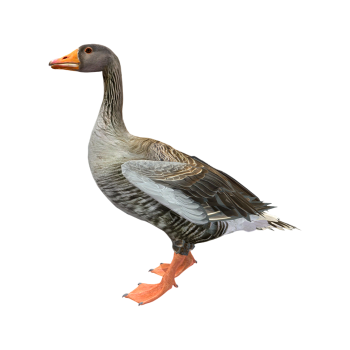
Wild Goose (3D animated model)
185 View
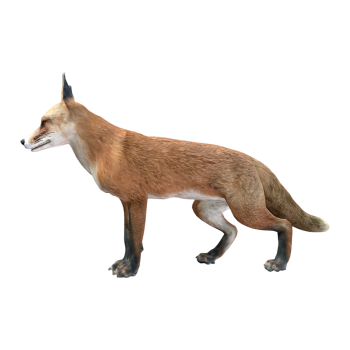
Red Fox (3D animated model)
153 View
Random Model

Kamar 5330
779 View



DualSense Final Fantasy XVI PS5 gamepad
1677 View

Antique wooden globe
1095 View

F1 2023 Alfa Romeo Stake C43
783 View

Vintage copper kettle
911 View

Camel skull
951 View


Bogdan I Bronze Bust
636 View